 Ghana Hub
The Ghanaian national team, known as the Black Stars, has had a mixed bag of results leading up to the FIFA World Cup 2026. As they prepare for the global stage, a tactical analysis of their recent form highlights both strengths and weaknesses that could impact their performance in the tournament.
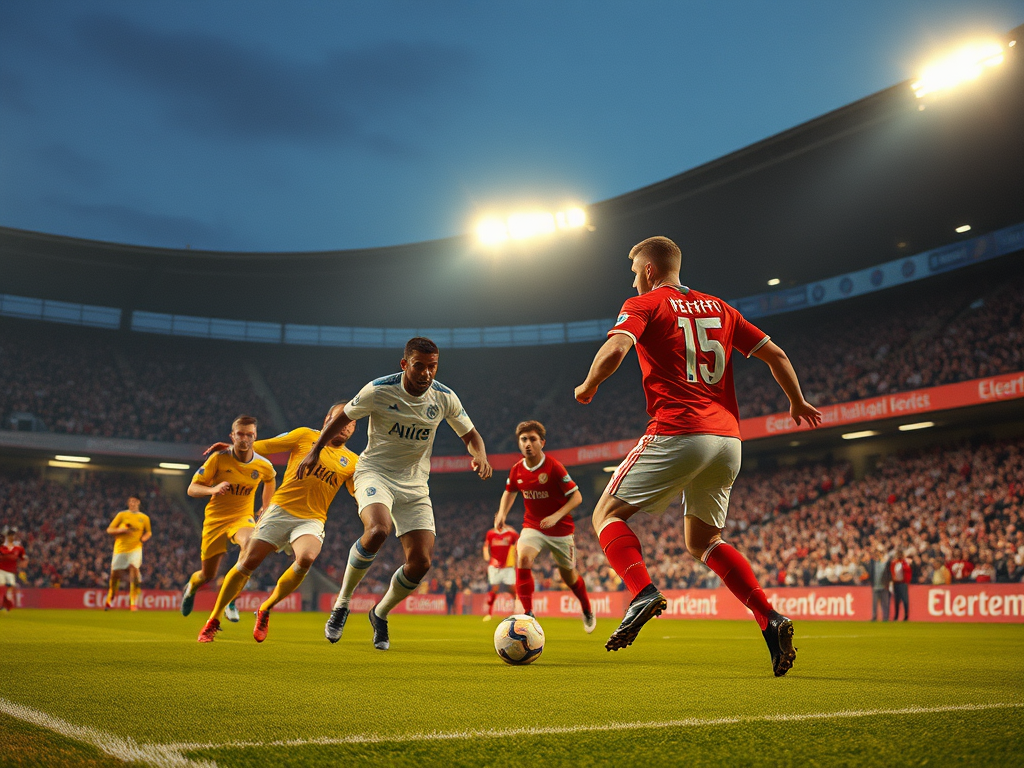
One of the standout features of Ghana's recent play has been their attacking prowess, particularly through the flanks. With players like Mohammed Kudus and Jordan Ayew providing width and pace, the Black Stars have shown the ability to stretch opposition defenses. However, this strength can sometimes devolve into predictability, with opponents figuring out how to contain their wide attacks. To enhance their effectiveness, it would be wise for head coach Carlos Queiroz to integrate more dynamic movement from central midfielders. By encouraging players like Thomas Partey to make late runs into the box or link up play more effectively, Ghana could create more unpredictable attacking patterns.
Defensively, the Black Stars have exhibited resilience, but there are signs of vulnerability, especially when transitioning from attack to defense. The reliance on a high defensive line has paid dividends in terms of pressing, but it has also exposed them to quick counter-attacks. A tactical tweak here could involve a more balanced defensive approach, where the backline drops deeper when possession is lost. This can prevent opponents from exploiting spaces left behind by advancing full-backs and provide a more solid foundation for countering attacks.
Another area that warrants attention is the midfield setup. While Ghana boasts talent in this area, the current formation sometimes leads to congestion and a lack of fluidity. A shift to a 4-3-3 formation could potentially alleviate this issue, allowing for a more structured midfield presence. This setup would provide the team with both defensive stability and attacking support, with one player sitting deeper while the others push forward to support the forwards. Additionally, incorporating a more aggressive press from the midfield could disrupt opponents’ build-up play and regain possession in advantageous areas.
Set pieces also represent a tactical opportunity for Ghana. In recent outings, they have struggled to convert set pieces into scoring opportunities. By employing varied routines and focusing on maximizing the aerial prowess of players like Daniel Amartey and Alexander Djiku during corners and free-kicks, the Black Stars could significantly improve their goal-scoring potential. Training sessions leading up to the World Cup should emphasize rehearsing these set pieces to develop chemistry and execution.
Lastly, the psychological aspect of the game cannot be overlooked. As the tournament approaches, instilling confidence in the squad is crucial. Engaging in more high-pressure practice matches, where players simulate the intensity of World Cup fixtures, could help the team acclimatize to the pressure. This not only bolsters their tactical understanding but also builds a winning mentality that is essential for success on the world stage.
In summary, while the Black Stars have shown glimpses of brilliance, tactical refinements in their approach could unlock their full potential. By addressing vulnerabilities in defense, enhancing midfield dynamism, and maximizing set pieces, Ghana can position itself as a formidable contender in the FIFA World Cup 2026.