 Ghana Hub
The announcement of Carlos Queiroz's 26-man squad for the Ghana Black Stars ahead of the FIFA World Cup 2026 has ignited a firestorm of debate among fans and analysts alike. With key players like Majeed Ashimeru, Andre Ayew, Alexander Djiku, and Joseph Paintsil left out, many are questioning the strategy and vision behind the selections. Such controversial decisions could have far-reaching implications for Ghana's ambitions on the world stage.
The Missing Faces: A Closer Look
The absence of established players such as Andre Ayew, who has been a stalwart for the Black Stars, raises eyebrows. His experience and leadership are critical, especially in high-stakes matches. Similarly, Alexander Djiku's exclusion is puzzling given his solid performances in the French league. This decision may signal a shift in Queiroz's strategy, possibly prioritizing youth over experience.
- Andre Ayew: 33 years old, 115 caps, crucial in previous World Cups.
- Majeed Ashimeru: Rising star, key midfielder for RSC Anderlecht.
- Alexander Djiku: Offers defensive solidity; has been consistent for Strasbourg.
- Joseph Paintsil: Talented winger, vital for offensive play.
Queiroz seems to be banking on a mix of emerging talents and established players still in the squad. However, this gamble could backfire if the young guns aren’t prepared to handle the pressure of the World Cup.
Tactical Breakdown: A Shift in Strategy
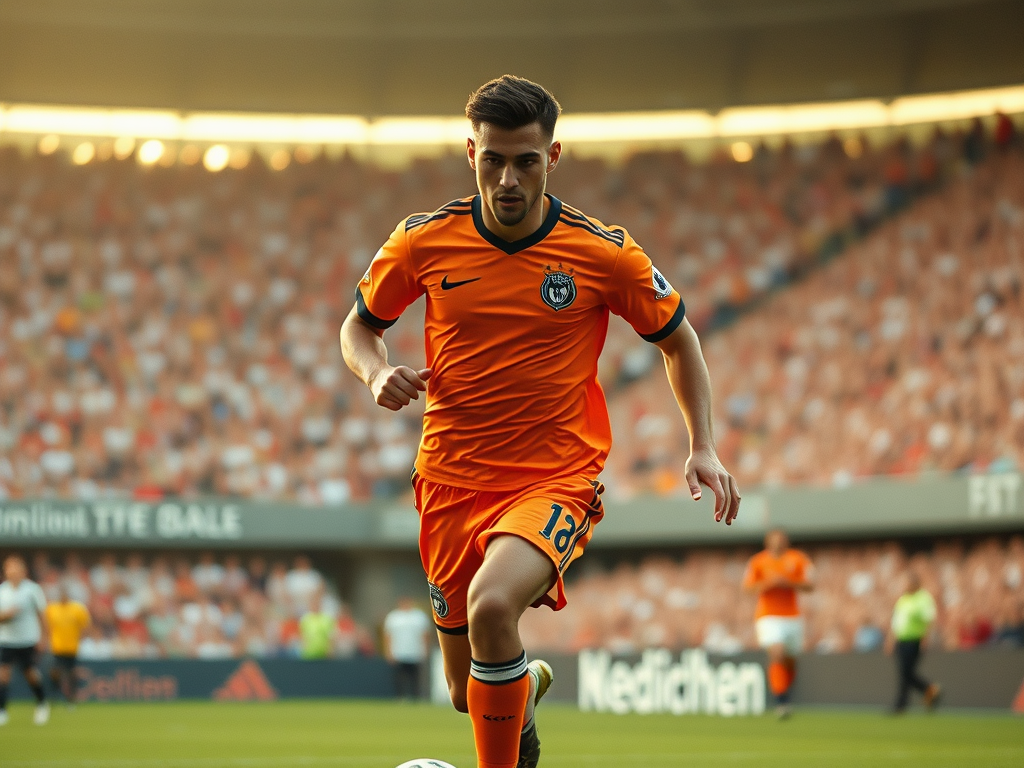
With the squad now selected, it's crucial to analyse the tactical implications of these choices. Queiroz's philosophy appears to focus on a dynamic attacking style, with players like Mohammed Kudus and Inaki Williams expected to lead the charge. Integrating younger players into the fold may bring a fresh perspective and energy, but it also poses risks.
The expected formation will likely shift to a more aggressive 4-3-3 setup, allowing wide players to stretch opponents and create space for midfield runners. However, the stability that seasoned players provide is irreplaceable, especially against top-tier competition. As fans, we must ask ourselves whether this new vision can yield results or if it’s merely a recipe for disaster.
What This Means for Ghana
The exclusion of experienced players has sent shockwaves through the Ghanaian football community. Fans are concerned about the lack of seasoned leaders on the pitch, especially in critical matches during the group stages. The younger players will have to step up and demonstrate maturity and resilience, qualities often honed through experience.
If the Black Stars falter early in the tournament, the backlash against Queiroz could be severe. Supporters are already expressing frustration, feeling that the coach might be prioritising a long-term vision over immediate results. Ultimately, success will hinge on how well these young players adapt to the demands of international football.
Fan Reaction and Outlook
The fan response has been a mixed bag, with many taking to social media to express their discontent. Some argue that the coach is making a bold statement about the future of Ghanaian football, while others view it as reckless and disrespectful to the talents of the omitted players. If you’ve been following the online discussions, you might have noticed a growing rift between traditionalists who value experience and progressives who advocate for a fresh approach.
Critics will argue that leaving out players who have proven themselves on the international stage is a mistake. They believe that experience can’t be overlooked, especially when facing formidable opponents like Brazil and England in the group stages. The dissent among fans highlights a broader concern about the direction in which Ghanaian football is heading.
The Wider Championship Picture
Looking at the broader context, Ghana’s performance in the FIFA World Cup 2026 will resonate beyond the pitch. The Black Stars represent a nation with a rich football heritage, and how they perform will influence not only national pride but also the future of football investment in the country. Success could lead to increased funding and support for grassroots football, while failure might hinder development efforts.
Moreover, with other African nations like Senegal and Morocco advancing in recent tournaments, Ghana’s standing in continental football is being challenged. The pressure is on Queiroz to deliver a campaign that not only meets expectations but also restores Ghana’s status as a powerhouse in African football.
What's Next
As we approach the kickoff of the FIFA World Cup 2026, all eyes will be on how Queiroz’s squad gels on the pitch. The upcoming friendlies will be crucial in determining whether this unorthodox selection is a stroke of genius or a miscalculation. Fans will be hoping for a cohesive and competitive performance that can lead to a deep run in the tournament.
With the tournament set to begin on 21 November 2026, Ghana's journey starts here. The anticipation is palpable, and as supporters, we can only hope that the Black Stars rise to the occasion, proving that they can adapt and thrive against the world's best.